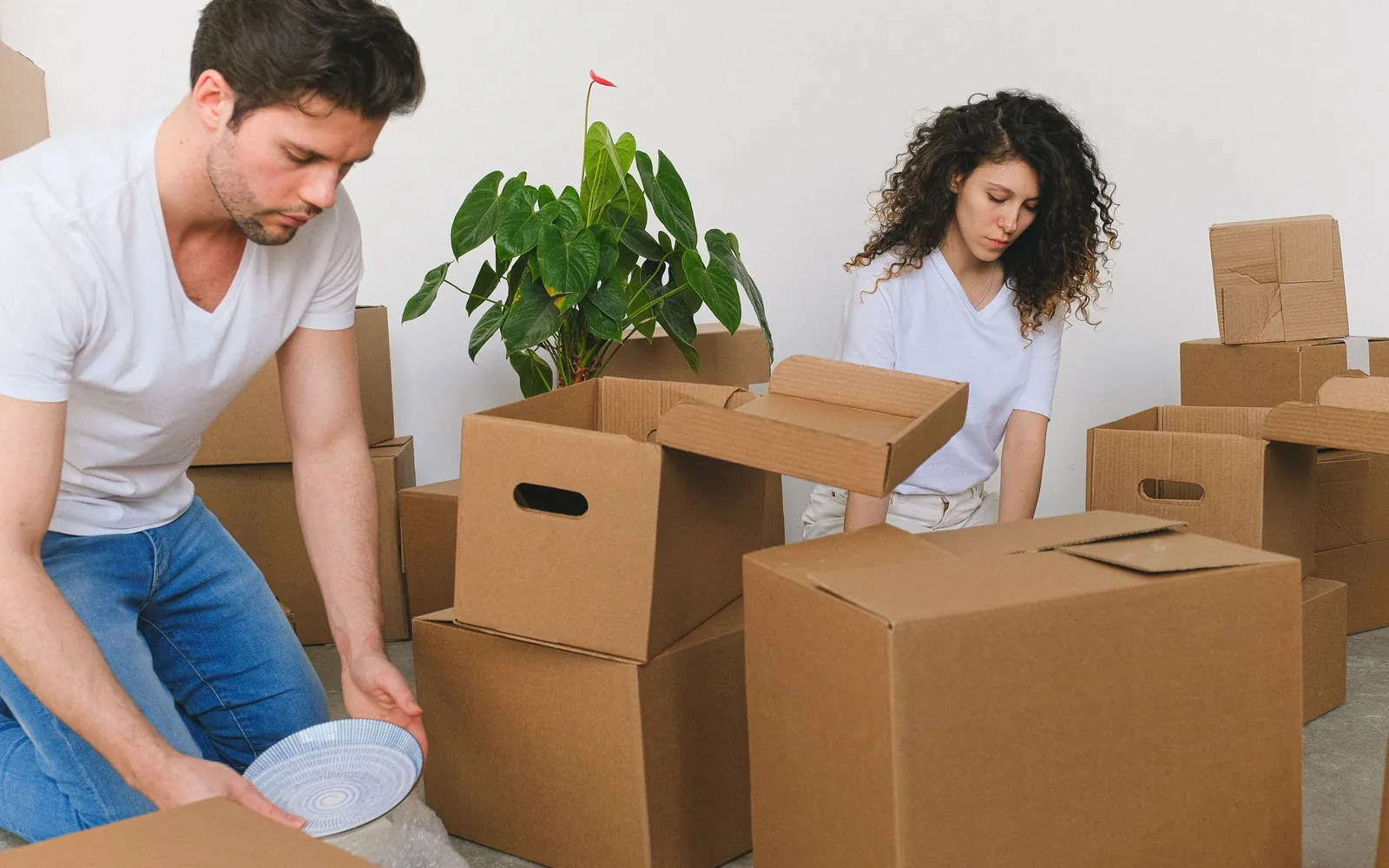
After 21 years of packing every kind of household imaginable — from studio apartments to 12-bedroom mansions — our senior movers have developed dozens of techniques that shave hours off packing time and virtually eliminate transit damage. Here are the ten that make the biggest difference.
1. Use Suitcases for Books
Books are the single heaviest thing in most homes, and they're what causes the most cardboard-box failures. Every professional mover knows to fill wheeled suitcases with books first — they'll roll instead of being carried, and the box tax alone will save you $30–$50 on a typical move.
2. Wrap Plates Vertically, Not Flat
Plates packed on their sides — like records in a crate — distribute impact along their strongest axis. Flat-stacked plates concentrate stress on whichever one is on the bottom. This single change reduces plate breakage rates by more than 80% in our internal data.
"If you learn nothing else from this article, learn the plate trick. It's the single highest-impact packing change any homeowner can make." — Sarah Chen, VP of Operations
3. Photograph Cable Setups Before You Unplug
Before disconnecting any TV, entertainment center, computer or gaming setup, snap a photo of the back. When you're setting up at the new place three days later at 10pm and everyone is tired, you will thank yourself.
4. Keep Drawers Full — Just Wrap Them
Empty dresser drawers to save weight? That's a myth for anything under three drawers. Modern dressers handle their own weight fine, and pre-packed drawers mean fewer boxes. Wrap the whole dresser in stretch film to keep drawers closed in transit.
5. The Trash Bag Wardrobe Trick
For hanging clothes: grab 15–20 hangers at once, push a large kitchen trash bag up around them from below, cinch the bag around the hanger tops. Now you have a portable wardrobe that keeps clothes on hangers, dust-free, and easy to hang back up.
6. Color-Code by Room, Not Content
Movers unloading at your new place don't care what's in each box — they care where it goes. A single roll of colored tape per room ($3 total) speeds unloading by 40% and prevents boxes ending up in the wrong bedroom.
7. The Overnight Bag Rule
Pack a suitcase per family member with two days of essentials — clothes, medications, chargers, toiletries, snacks. Load these last, unload first, and keep them separate. On night one, no one will need to open a single moving box.
8. Fill Pots with Spices, Bowls with Utensils
Hollow items are wasted space — and separate boxes for small kitchen items mean more chances for loss. Nested packing reduces box count by 20–30% in typical kitchens.
9. Cushion Fragile Items with What You Already Own
Socks in glasses. Towels around picture frames. Sweaters between plates. You're moving all this soft material anyway — using it as padding saves both money and space, and reduces waste.
10. Label the SIDE, Not the Top
Once boxes are stacked, top labels disappear. Side labels stay visible during the entire loading, transit, and unloading process. This one habit change eliminates 90% of "where's the box with X?" moments.
Bonus: The First-Night Kit
In addition to overnight bags, prepare a "first night box" with: toilet paper, hand soap, paper towels, phone chargers, a knife or scissors, trash bags, one set of sheets, and a shower curtain. Label it clearly and load it last.
Master these ten techniques and you'll pack faster, unpack easier, and lose fewer things to damage than 90% of people who have moved before you. Or, of course, you can let our packing team handle it for you — we've done this a few times.

Sarah Chen
VP of Operations, MoversPro
Sarah started as a mover on the truck in 2011 and now oversees operations for all 240 crew members. She's personally packed more than 400 homes.
Related Articles
3 Comments

The vertical plate trick genuinely changed my life. Wish I'd known this ten years ago!
Reply
Just used the color-coded tape method and my unloading went 3x faster. Thank you!
Reply